Standalone VR Sensory Application
A portable, wireless implementation for accessible sensory experiences
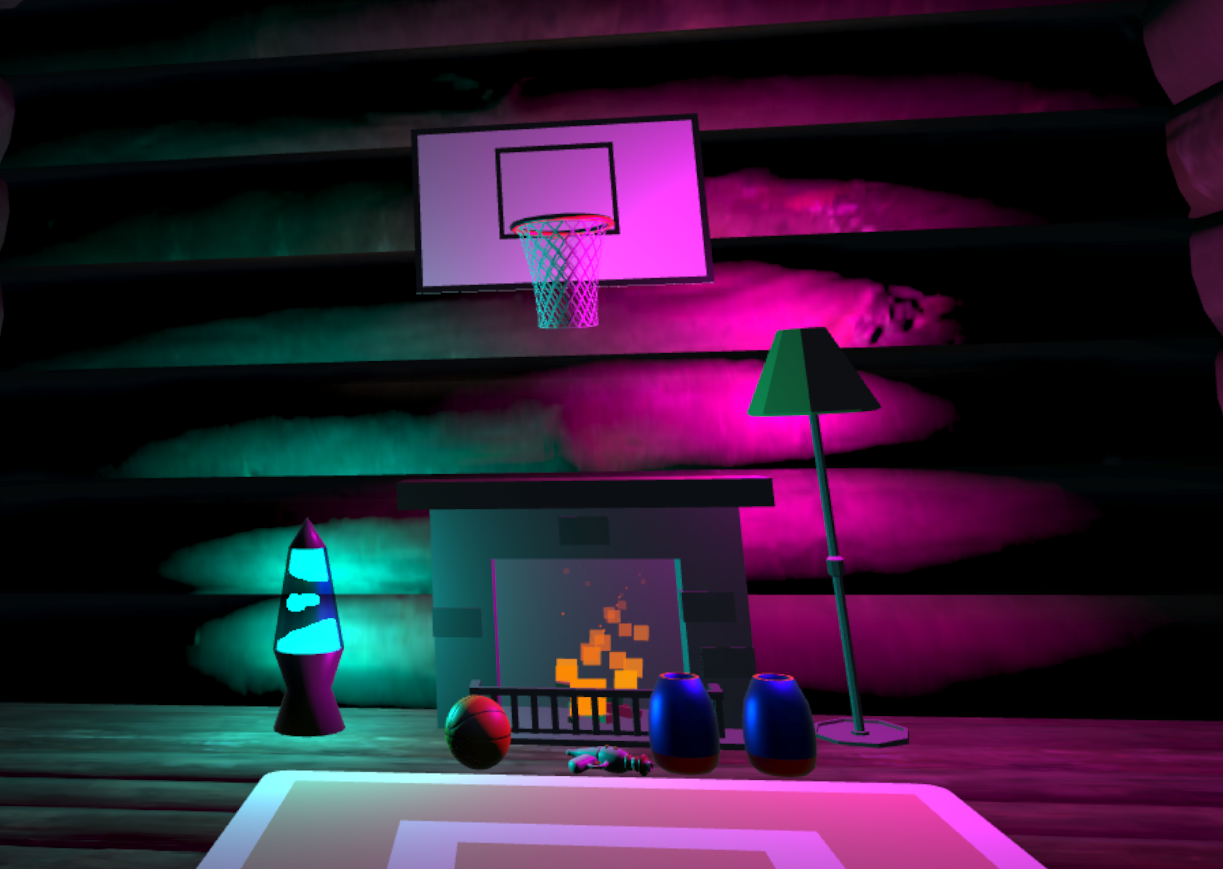
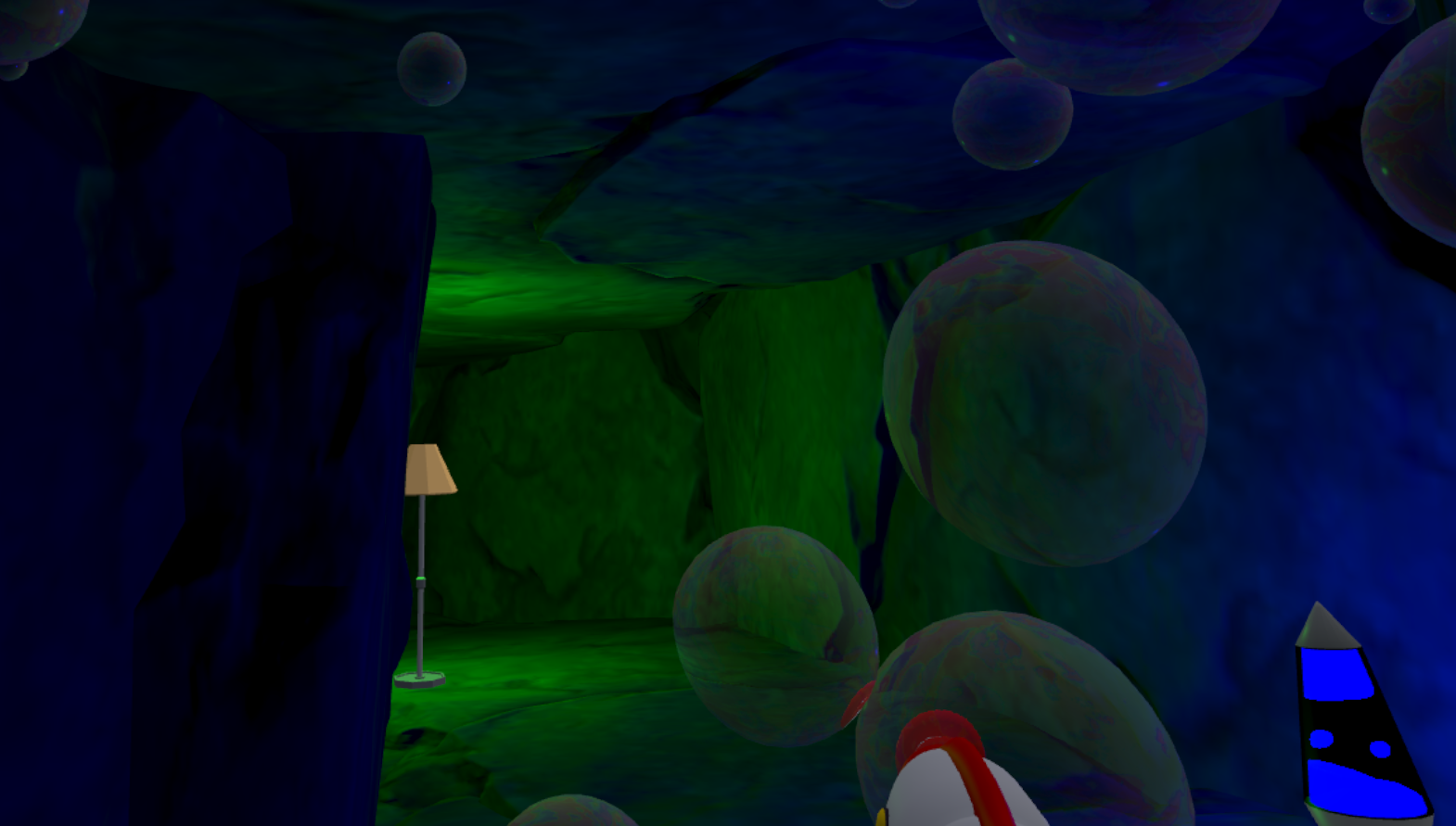
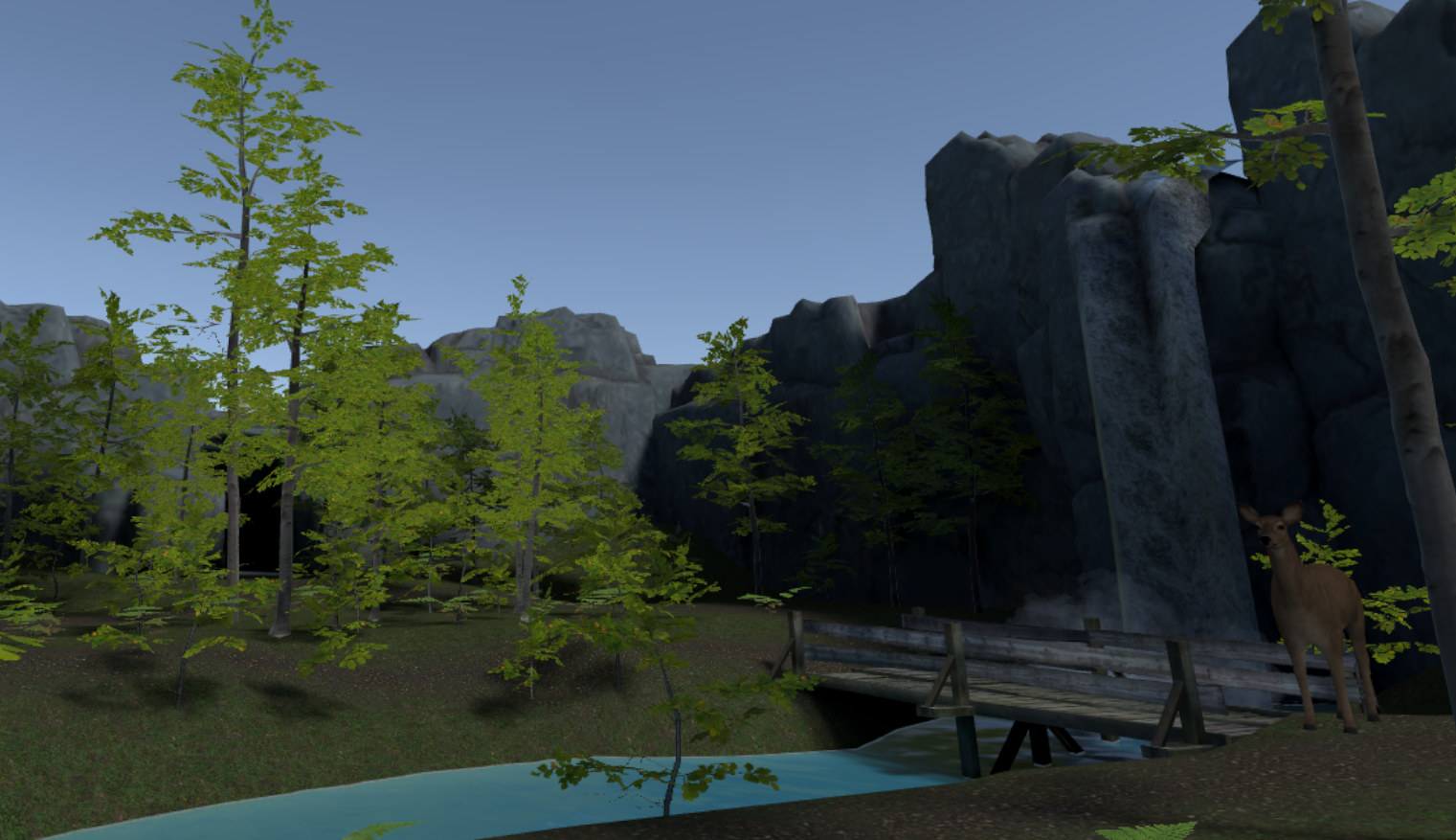
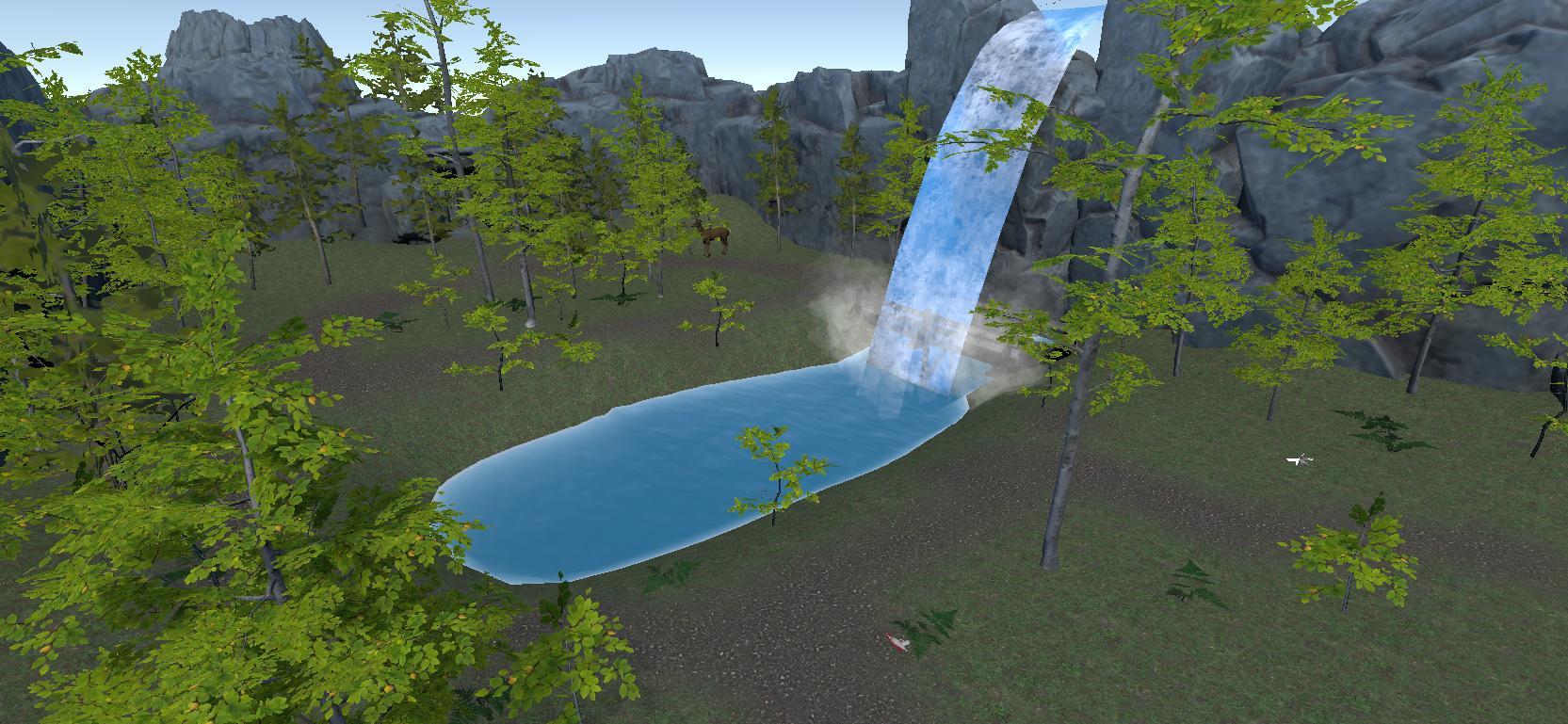
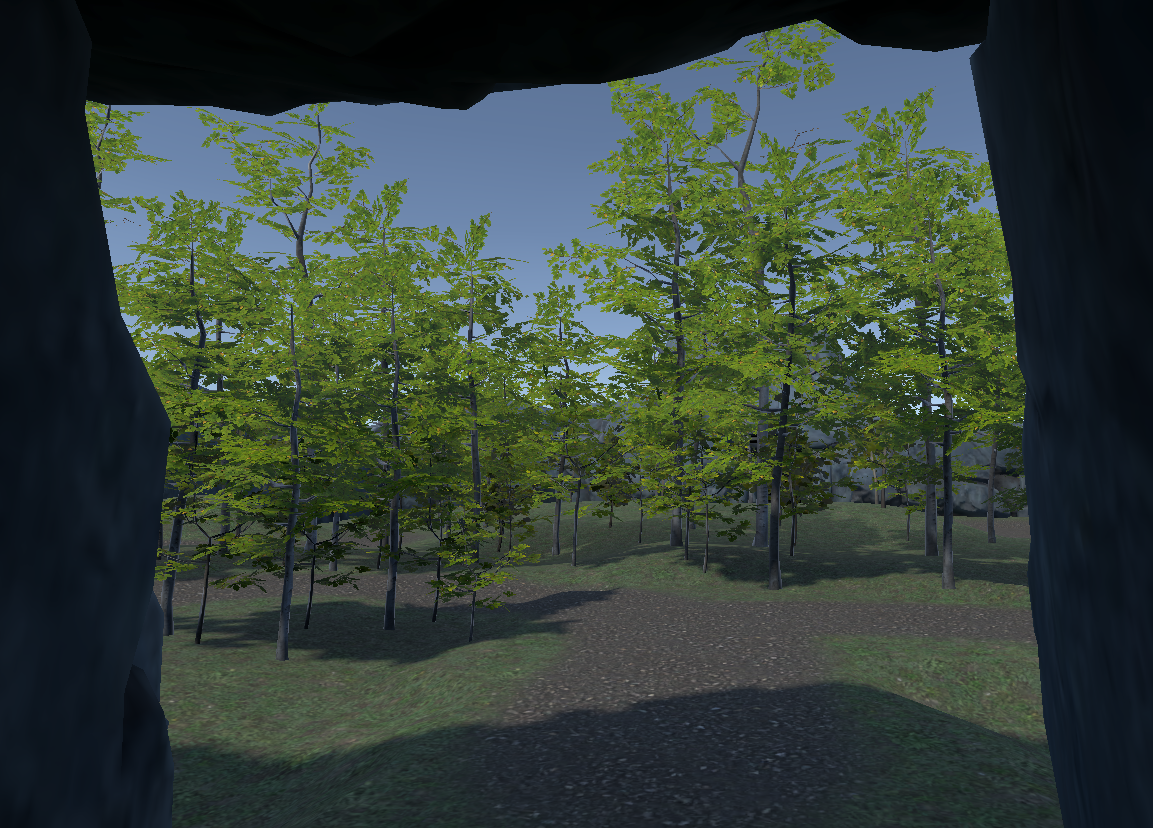
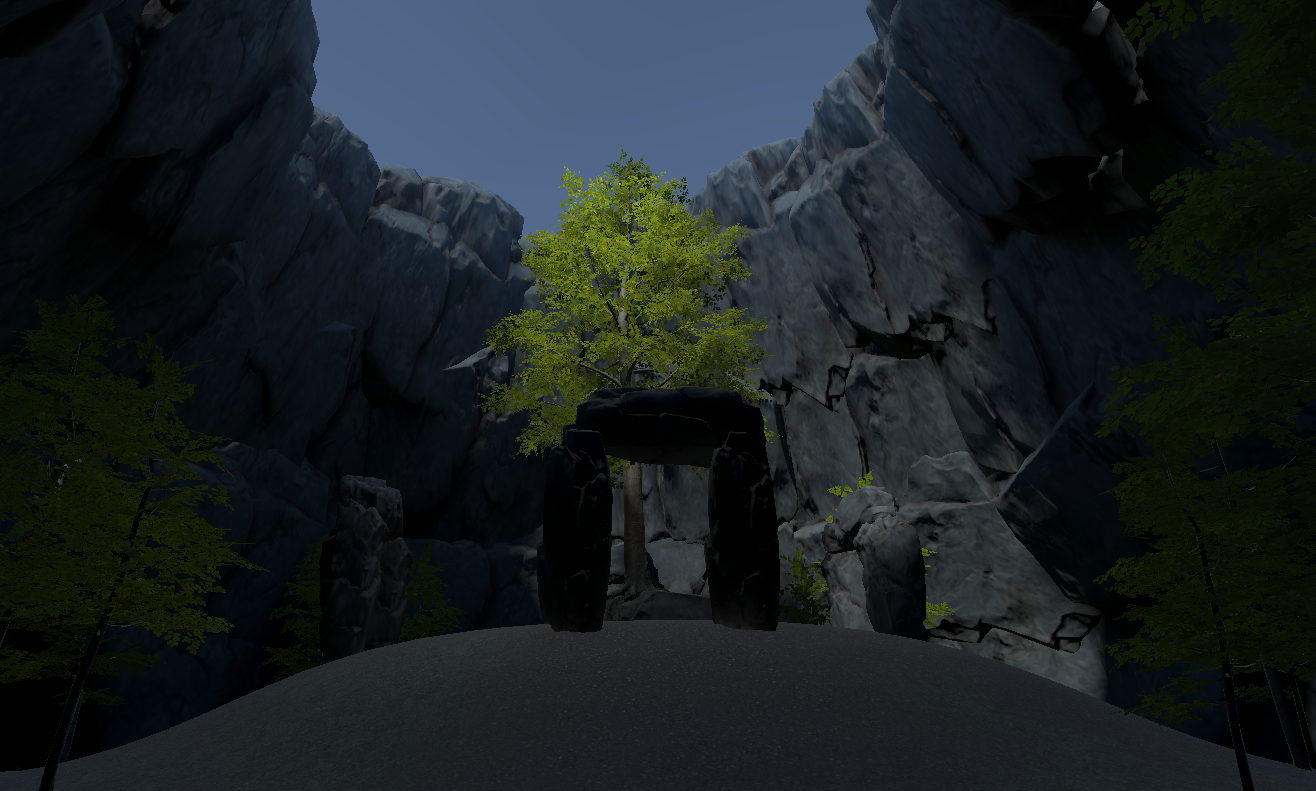
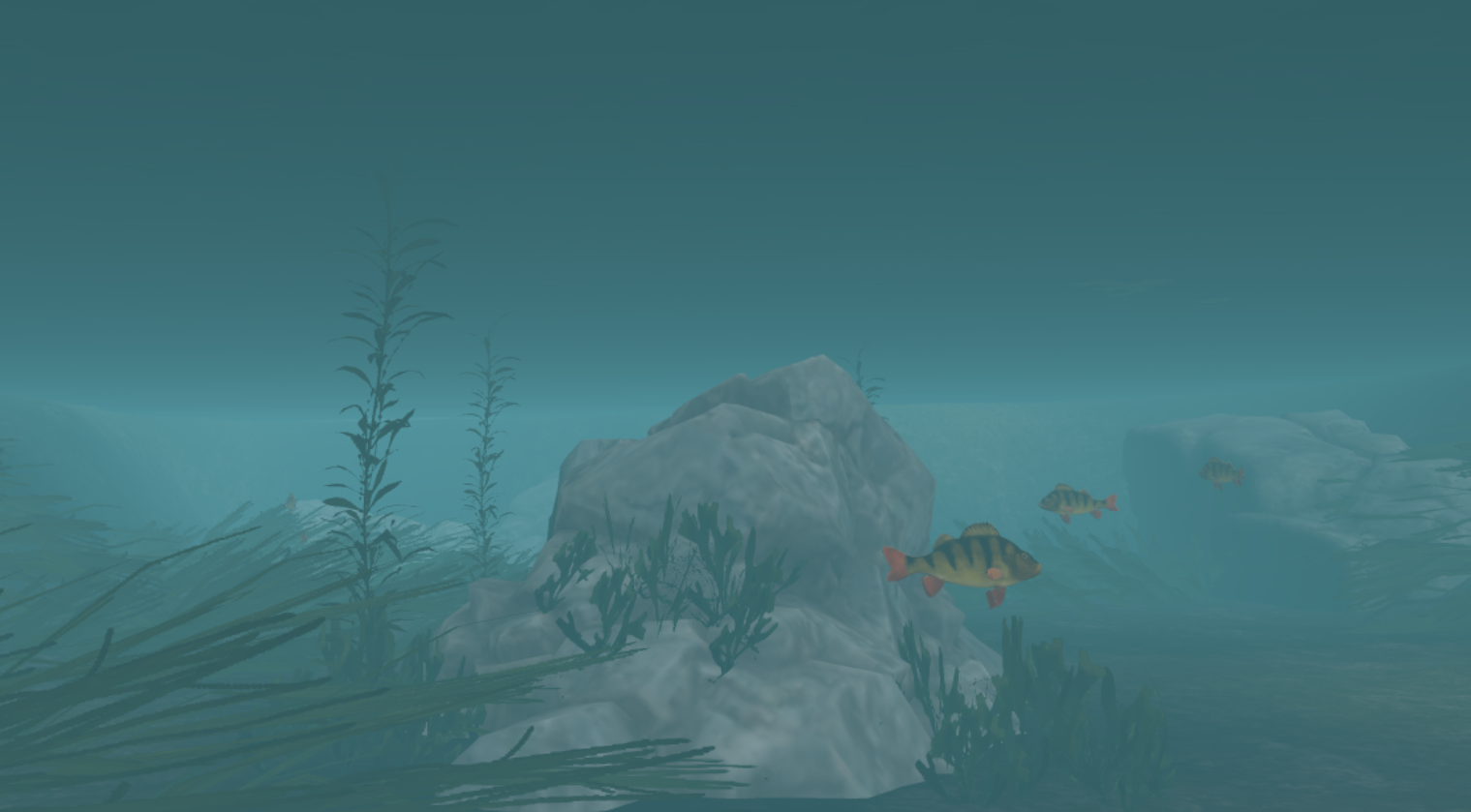
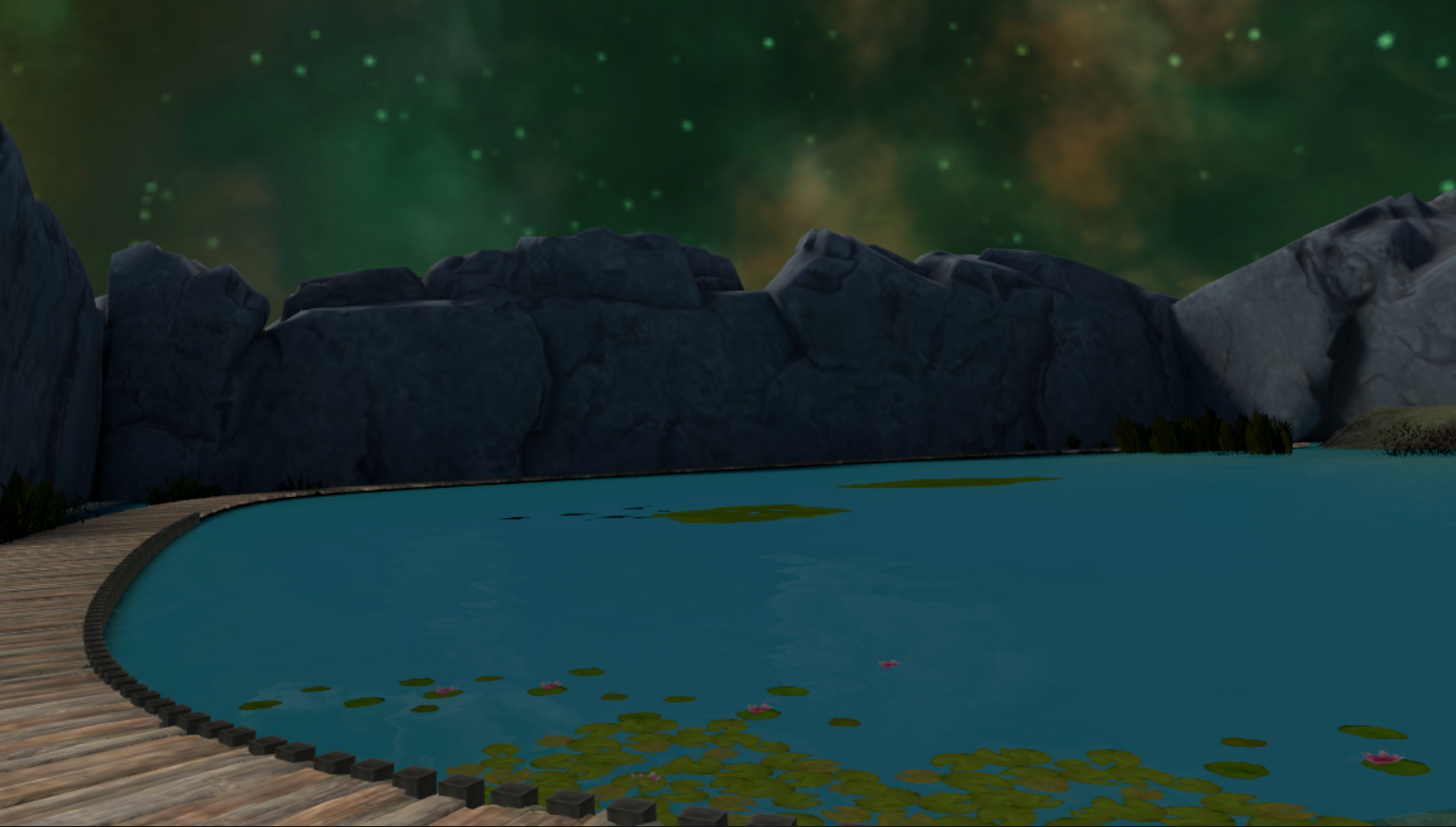
The standalone sensory application is a VR sensory regulation tool for autistic adults, designed to be run on standalone headsets without the need for a PC. The application was informed and developed through participatory research with autistic adults, and features nature-based environments, a high degree of customisability through an object placement system, and varied options for sensory stimulation through interactive tools and the environment itself.
It represents the third and final study of my PhD research programme. Following the co-design process that shaped the original prototype, the application was significantly reworked for standalone hardware - rather than a single continuous environment, the world was restructured into a series of distinct environments that load and unload as the user moves through them, preserving the core features and design principles of the co-designed prototype in a portable format.
Gallery
Current Status
The exploratory evaluation study examining its effectiveness has since been completed and is currently being written up for publication - a preprint will be available soon.